The discovery & characterization of exoplanets
Our team is building Photometric Observations of Exoplanet Transits (POET), a 20 cm Canadian space telescope feeding an efficient photometer to detect and characterize new, potentially habitable, rocky planets.
Learn About the Satellite →A smallsat built to answer one of astronomy's biggest open questions: how common are Earth-like worlds?
A simulated encounter — March 23, 2027, 128 days after launch
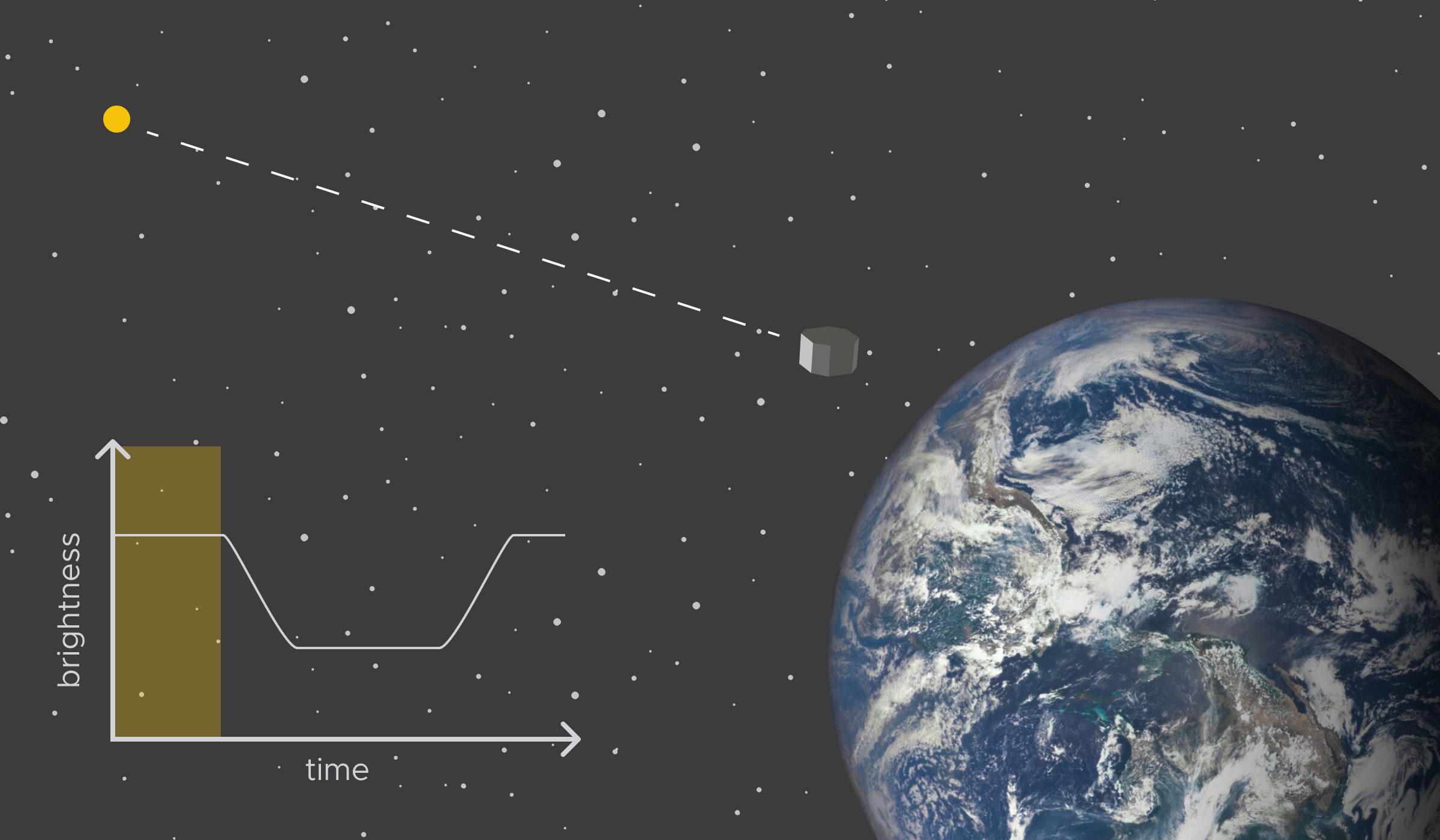
POET is watching a distant star
400 km above Earth, POET's photometer has recorded a steady beam of light from a Sun-like star for seven days straight.
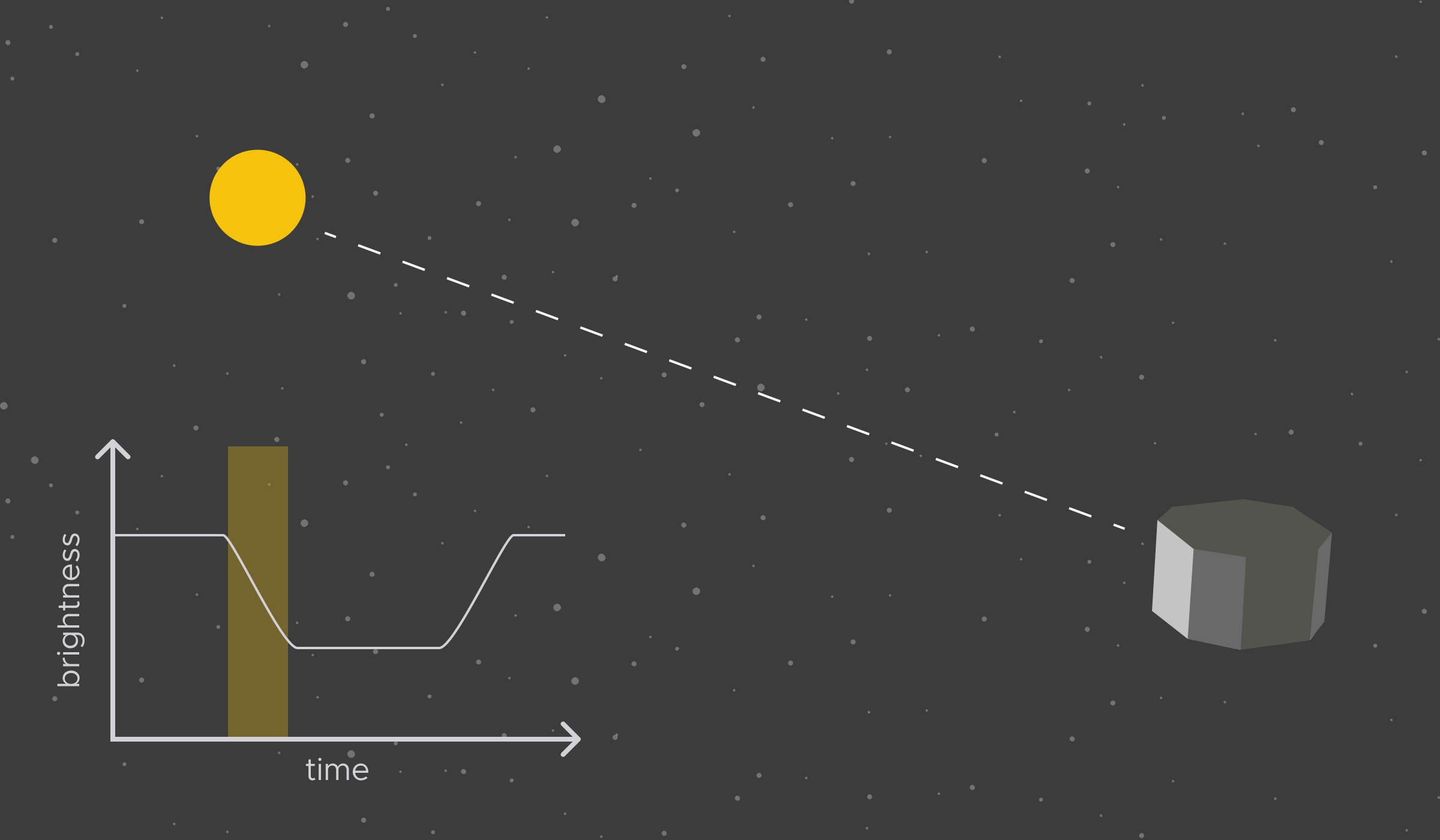
The light begins to dim
Within minutes, brightness fades. The cause: a distant spherical object crossing in front of the star.
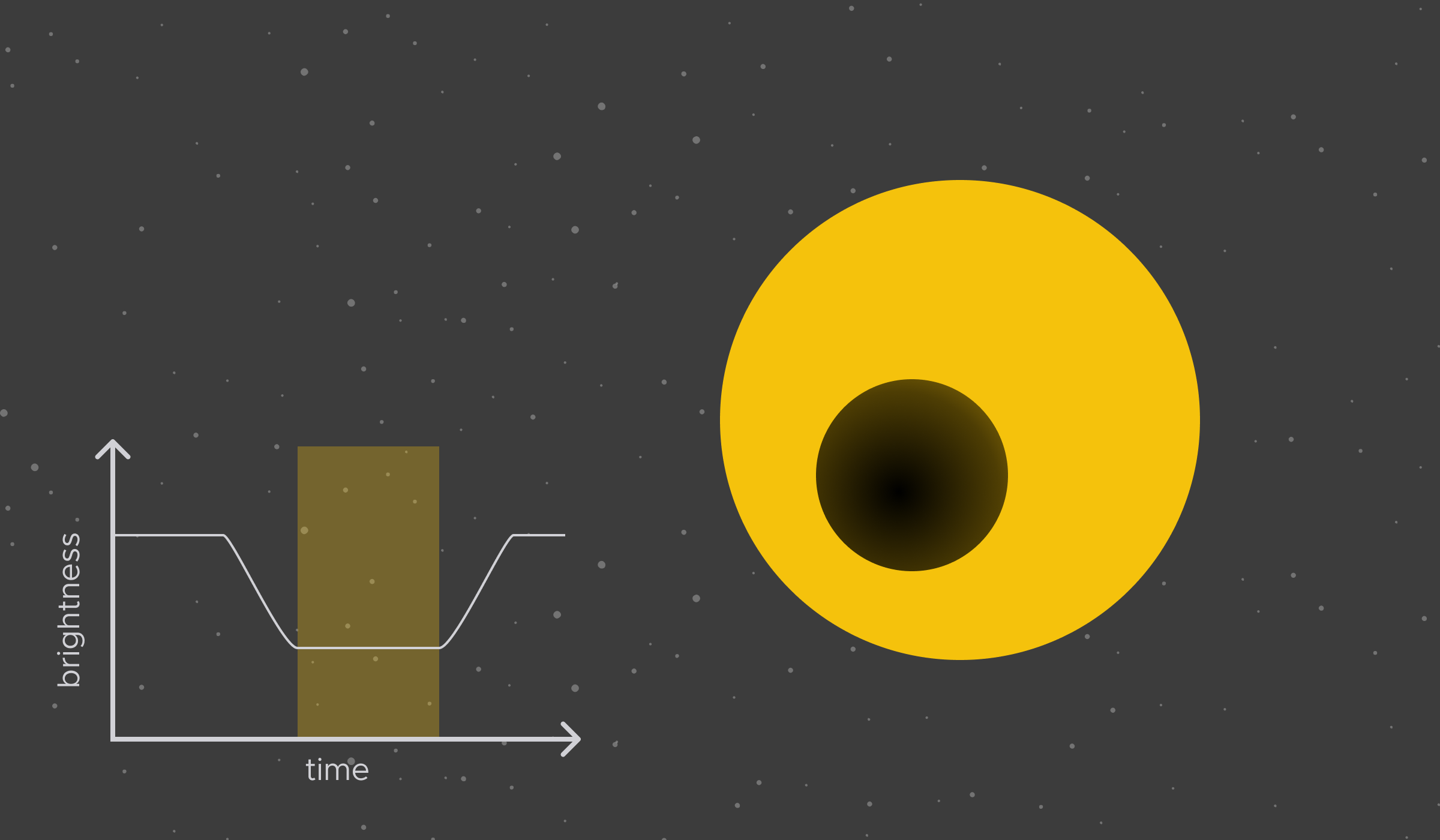
The shadow deepens
As the object moves toward the star's center, the shadow grows, casting POET's view into near-total darkness.
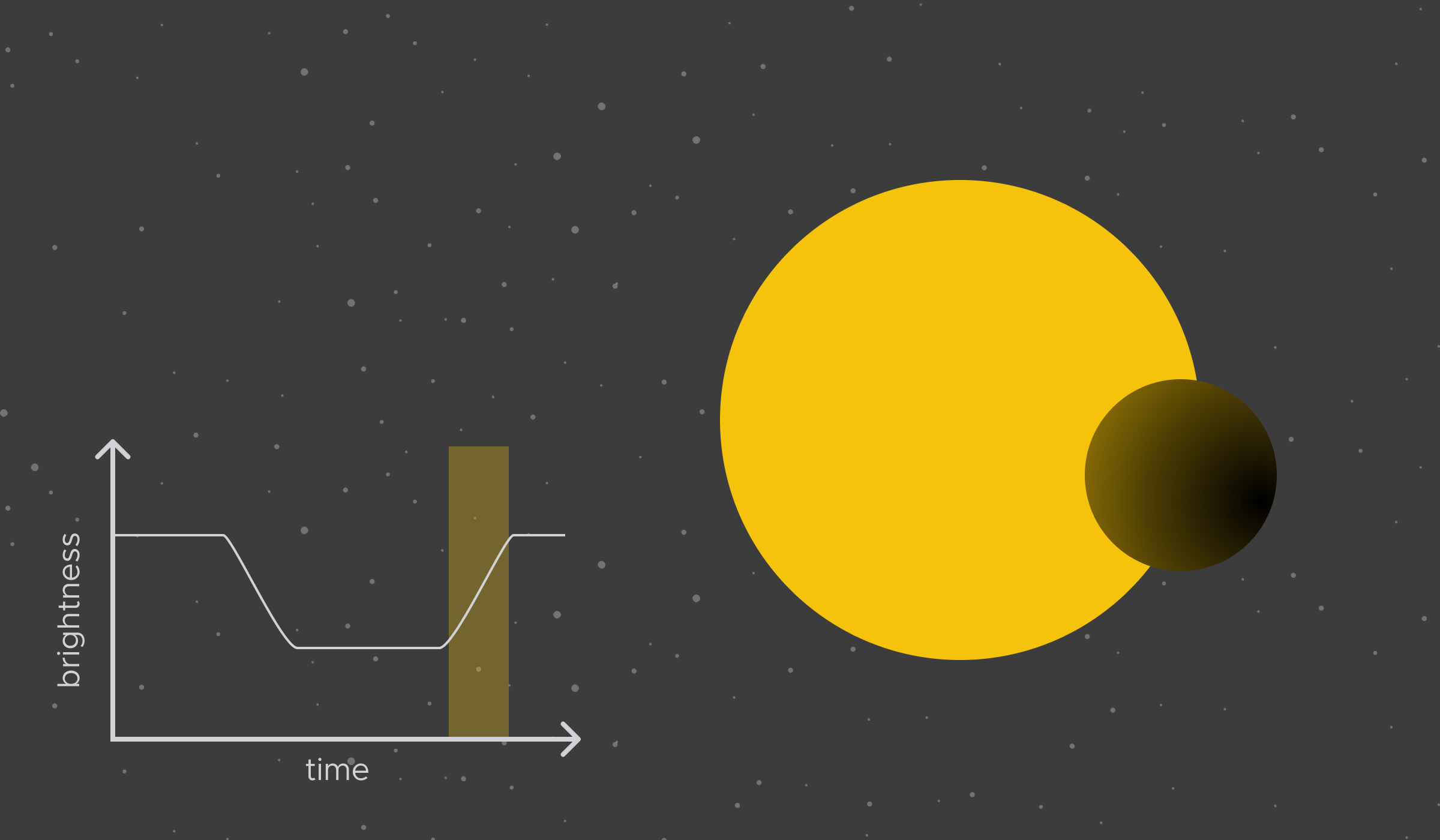
The light re-emerges
The shadow fades, the object reaches the star's edge, and vanishes behind it as its orbit continues.
Has POET just discovered an exoplanet?
In only eight days of observations, POET has recorded a planet's full orbit around its parent star — a year on this far-off world is shorter than a week on Earth.
A single transit is just the beginning. Answering these questions is what POET's science program is built for.
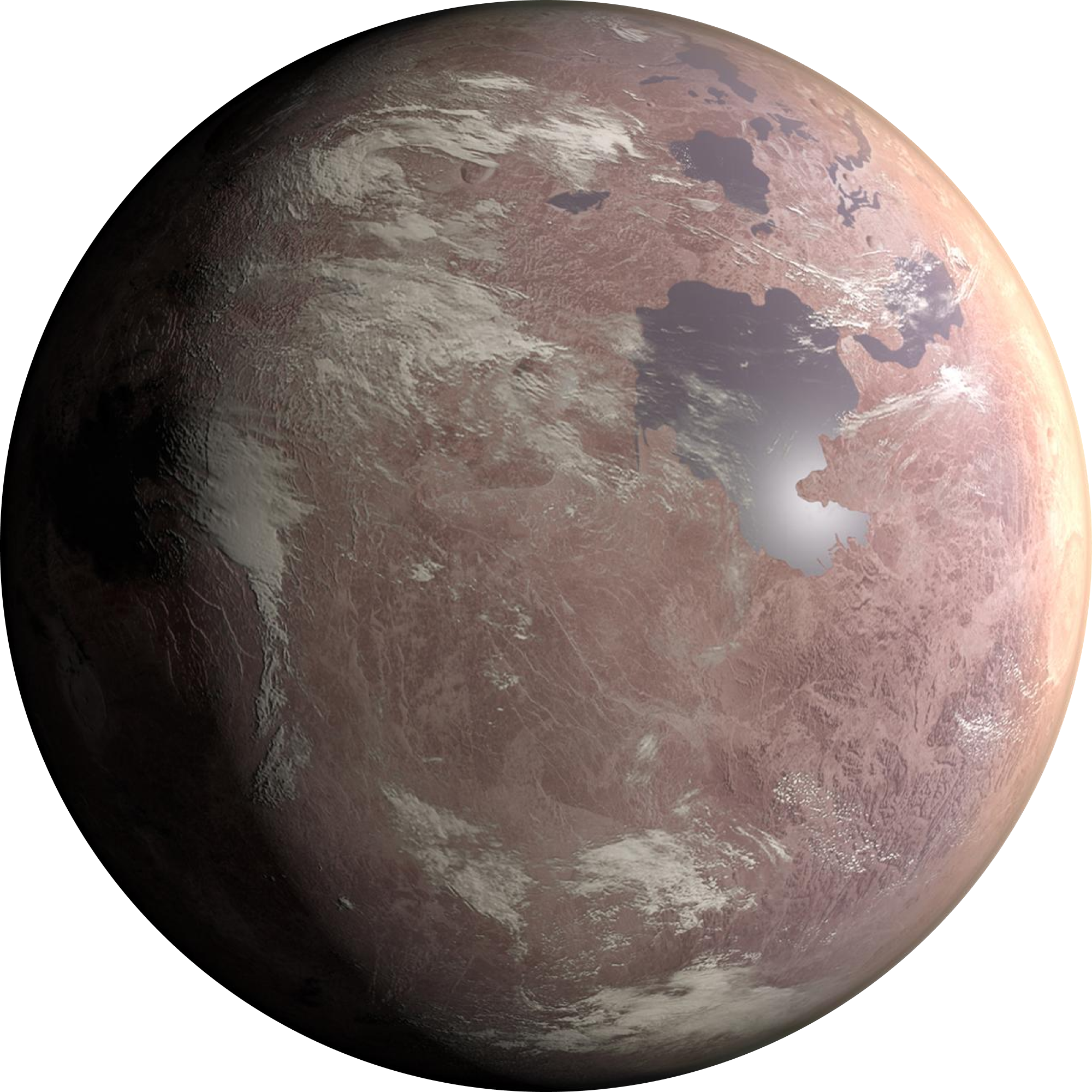
How large is this exoplanet?
The depth of the dimming reveals the planet's size relative to its star.
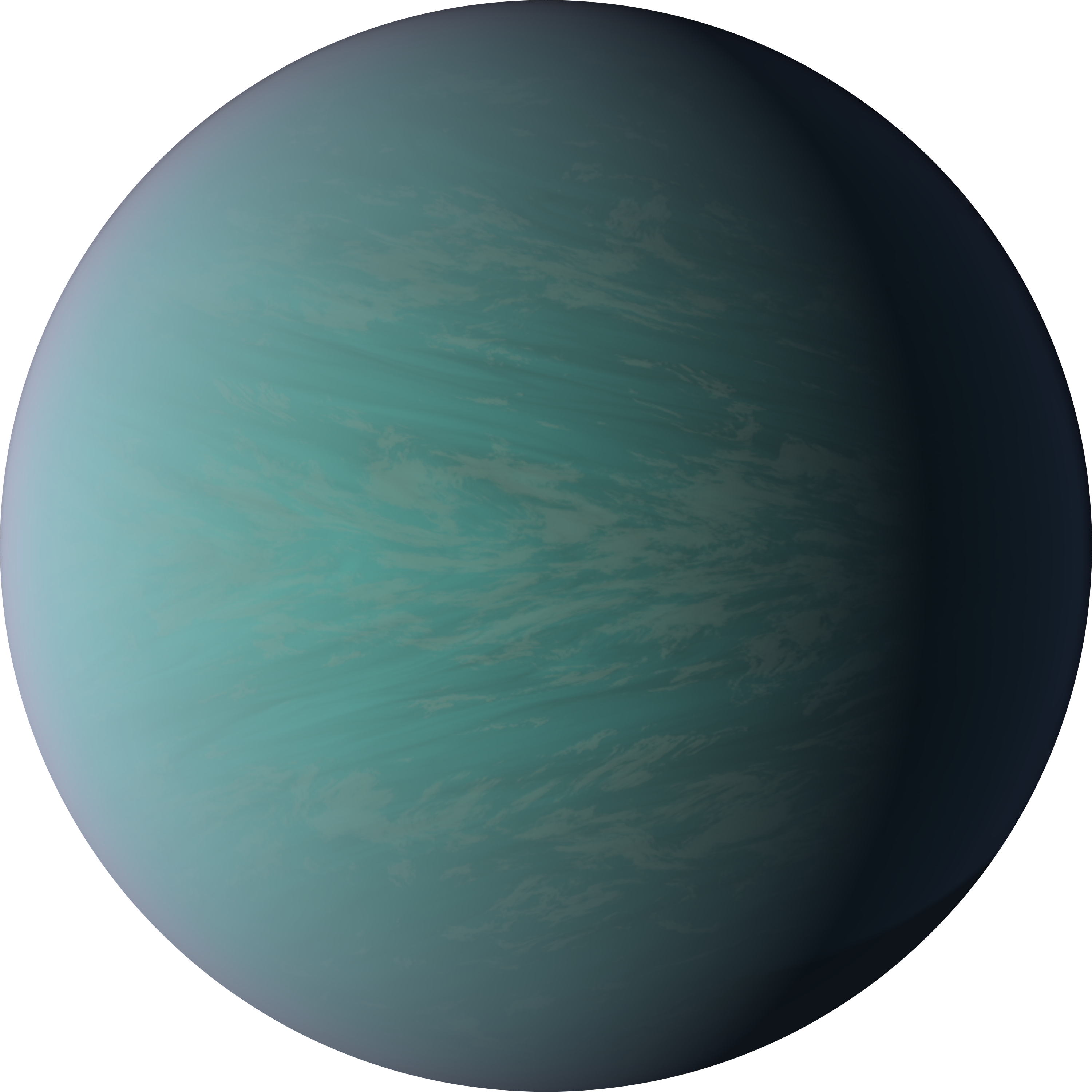
Does it have an atmosphere?
If so, what is it made of — and could it resemble Earth's?
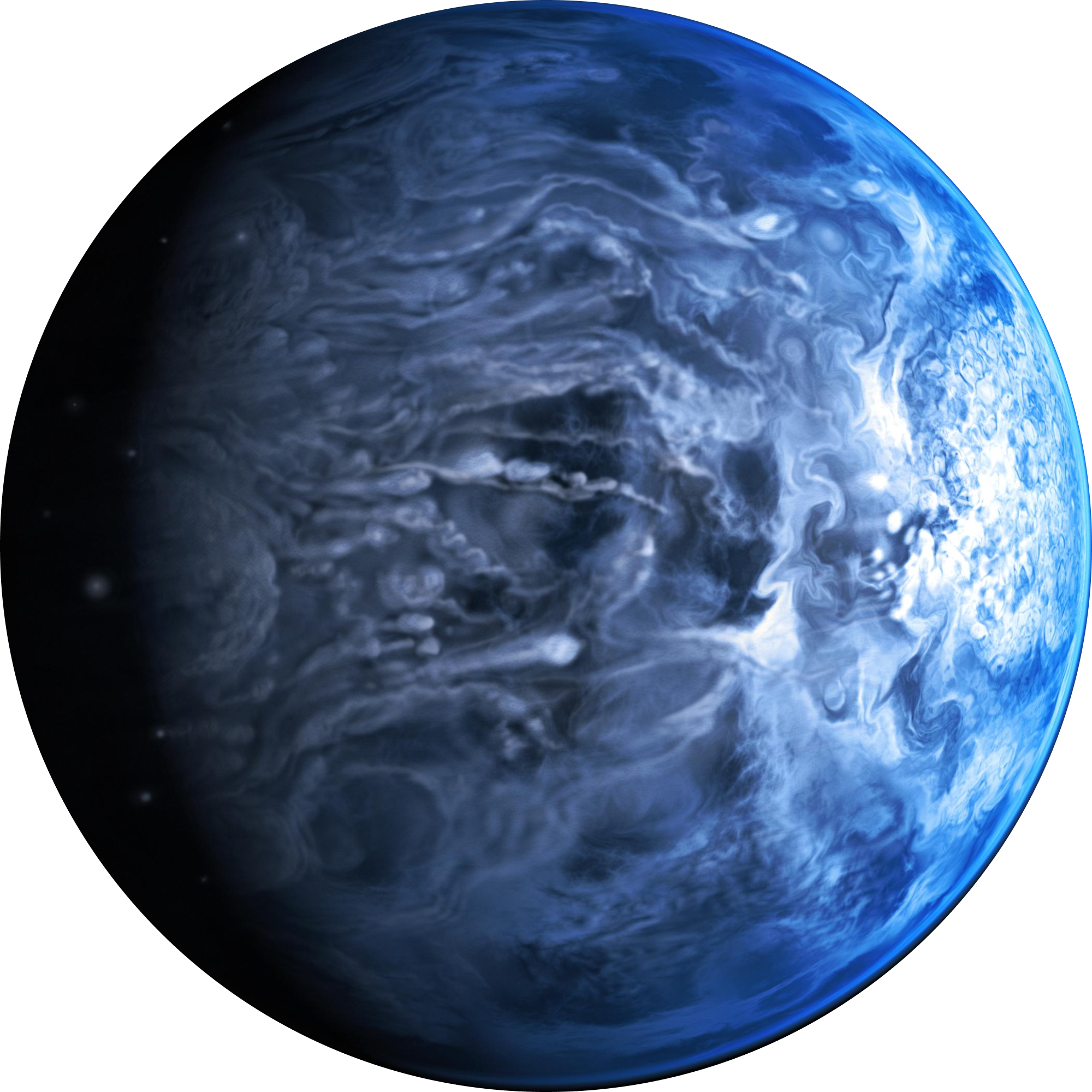
Could it sustain life?
Composition and distance from its star both shape a planet's habitability.
How can a space satellite answer these questions?
Principal Investigator Dr. Jason Rowe introduces the POET project and the methods he and his team are using to send it into space.
Visit Our YouTube Channel →This mission will bring us closer to answering some of the biggest questions about life beyond Earth.
As POET's discovery mission begins, many of these questions will hopefully be answered. Want to keep learning?
Discover More About Exoplanet Science →